
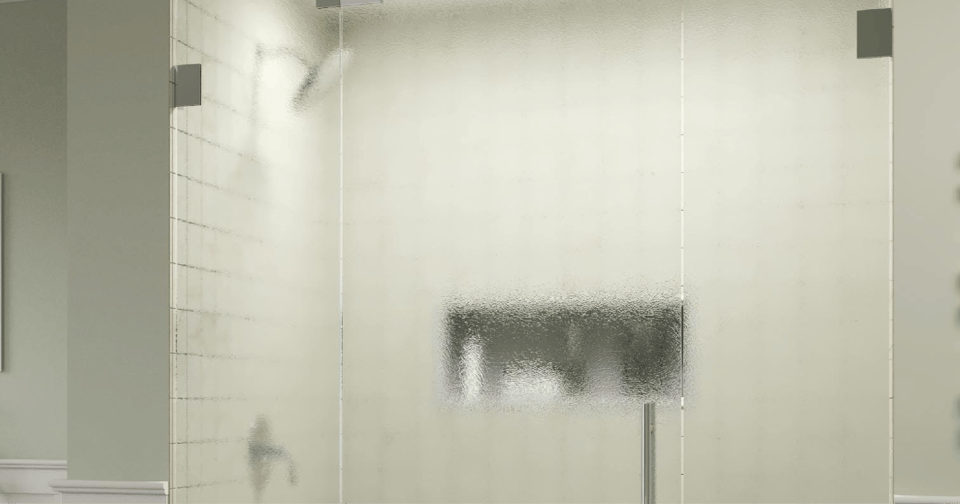
When planning a new shower, many homeowners naturally focus on the layout, tile, or hardware finish first. Those details matter, but the glass itself plays a major role in how your shower looks, feels, and performs over time.
The type of glass you choose affects safety, privacy, maintenance, and the overall feel of your bathroom. It can make the room look brighter and more open, or give you a little more privacy without closing the space in.
Why Glass Choice Matters More Than Most People Realize 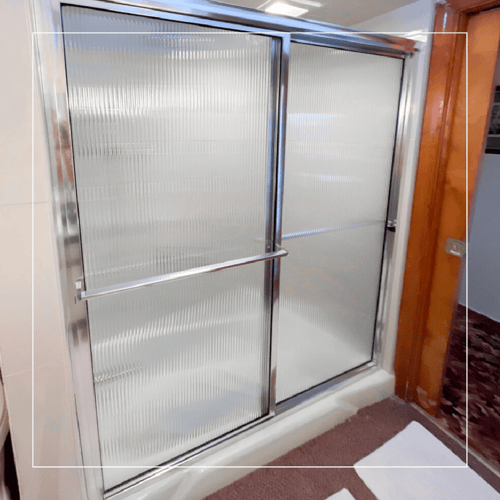
If you are comparing shower door glass types, it helps to think beyond appearance alone. The right choice depends on how you use the bathroom, how much privacy you want, how much maintenance you are comfortable with, and what kind of style you want to create.
Glass choice can affect:
- How open your bathroom feels
- How much light moves through the space
- How visible water spots and residue will be
- How much privacy you have
- How easy the enclosure is to maintain
This guide walks through the most common shower glass options and what to consider before making a decision.
We will cover:
- Why tempered glass matters for safety
- When clear glass makes the most sense
- How frosted and textured glass compare to clear options
- When low-iron or specialty glass may be worth considering
- What to know about maintenance and long-term performance
Why Is Tempered Glass Important for Shower Doors?
Safety comes first in any shower enclosure. Bathrooms are high-moisture, high-use spaces, and shower doors need to be made from glass designed for that environment.
That is why shower doors use safety glass rather than standard glass. In most cases, that means tempered shower glass, which is designed to be stronger and safer for everyday use.
How Tempered Glass Works
Tempered glass is heat-treated to increase its strength compared to ordinary glass. That process helps it stand up better to daily use in a shower setting.
It is also important to know that tempered glass is typically fabricated before the tempering process is complete. That means accurate measurements matter from the beginning, because the glass usually cannot be cut or resized afterward.
One of the biggest reasons tempered glass is used in showers is how it breaks.
Instead of breaking into large, sharp shards like standard glass, tempered glass is designed to break into many smaller pieces. While no broken glass is completely harmless, this break pattern helps reduce the risk of severe injury.
Safety glass is not just a design preference. It is part of building a shower enclosure that is appropriate for the space.
Beyond the glass itself, safety also depends on proper design and installation. A shower door is part of a complete system that includes the opening, hardware, curb, seals, and water management details. Good measurements and the right enclosure style matter just as much as the glass type.
When Is Clear Glass the Best Choice for a Shower Door?
Clear glass is one of the most popular shower door options because it has a simple, versatile look that works with many bathroom styles.
It is often a strong choice when:
- You want a bright, open feel
- You want to show off tile or stone work
- You have a smaller bathroom and want it to feel larger
- You prefer a clean, modern style
How It Affects Light and Visual Space
Clear glass allows light to move easily through the room and keeps sight lines open. That can make the entire bathroom feel more spacious.
This is one reason so many homeowners are drawn to frameless shower designs. The clean look of clear glass helps create a lighter, less enclosed feel.
Maintenance Considerations
The tradeoff with clear glass is that it tends to show more.
That can include:
- Water spots
- Soap residue
- Streaks
- Fingerprints
- Mineral buildup
For some homeowners, that is a minor issue. For others, it becomes a deciding factor.
Who Typically Chooses This Option
Clear glass is usually chosen by homeowners who want a timeless, open look and do not mind staying on top of routine cleaning.
It is often the best fit for people who:
- Want the shower to feel visually light
- Have tile work they want visible
- Prefer a minimal design
- Do not need much privacy from the glass itself
When Are Frosted or Textured Shower Doors Better? 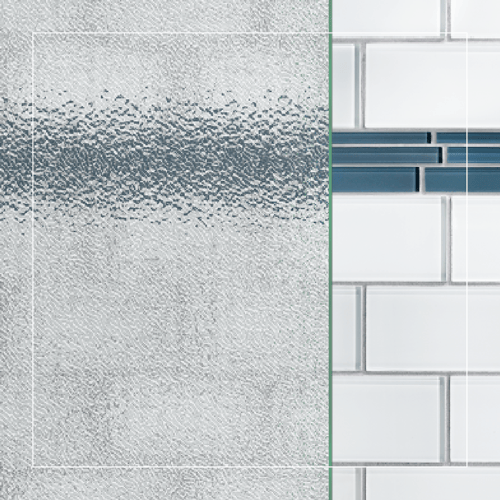
If privacy matters more, frosted or textured glass may be the better choice.
These two options are often grouped together, but they are a little different.
Frosted shower glass usually has a more even, cloudy appearance that reduces visibility across the surface. Patterned or textured glass uses a surface design or texture to distort visibility instead.
Both can help create privacy while still allowing light through the enclosure.
Frosted or textured glass can be a smart choice when:
- You want more privacy in the bathroom
- More than one person uses the space at a time
- You want a softer or more decorative look
- You do not want the shower to feel fully exposed
These styles can work especially well in shared bathrooms or in layouts where the shower is highly visible from the rest of the room.
Pros and Cons Compared to Clear Glass
When comparing clear vs. frosted shower doors, the benefits of frosted or textured glass can include:
- More privacy
- Less noticeable water spotting and smudges
- A softer or more decorative appearance
Possible drawbacks can include:
- A less open visual effect than clear glass
- More cleaning attention on certain textured surfaces
- A more specific style that may feel less neutral over time
A common misconception is that privacy glass will make the bathroom feel dark or closed in.
In reality, many frosted and textured options still allow plenty of light to pass through. They change visibility, but they do not necessarily make the room feel dim.
That makes them a practical middle-ground option for homeowners who want more privacy without losing the benefits of glass.
What Is Low-Iron Glass and When Is It Worth It?
Low-iron glass is a specialty option designed for extra clarity.
Standard clear glass often has a slight green tint, especially along the edges or in thicker pieces. Low-iron glass reduces that tint, which gives the glass a clearer, more neutral appearance.
This type of glass can be worth considering when the details in the shower really matter visually.
Low-iron glass may make sense when:
- You are using white or very light-colored tile
- You want the clearest possible view into the shower's interior design
- Color accuracy matters to your design
- The shower will be a standout feature in the room
Tinted or Specialty Finishes
Beyond low-iron glass, some homeowners also explore specialty options such as:
- Tinted glass
- Satin-etched finishes
- Rain glass
- Other decorative textures
- Protective surface treatments
These choices can affect appearance, privacy, and maintenance, so they are usually best considered as part of the full shower design rather than as an afterthought.
Specialty glass options typically cost more than standard clear or frosted choices.
For some homeowners, that extra cost makes sense because the shower is a major design feature or part of a long-term remodel. For others, standard options provide the right balance of style and function without adding cost where it is not needed.
Which Shower Door Glass Type Is Easiest to Maintain?
Different glass types do not all show daily use in the same way. In general:
- Clear glass tends to show water spots and soap film faster
- Frosted or textured glass may hide some spotting better
- Textured surfaces can require more cleaning attention in grooves or patterns
- Any glass type can show buildup over time in homes with hard water
Cleaning Considerations
Some homeowners do not mind wiping down clear glass regularly because they love the look. Others prefer a little more forgiveness and choose frosted or textured glass for that reason.
Good cleaning habits can help any shower enclosure last longer and look better.
Helpful habits include:
- Wiping down the glass after use
- Keeping tracks and bottom edges clean
- Watching for worn seals or aging caulk
- Using cleaning products appropriate for shower glass
Protective Coatings and Durability
Protective coatings can be worth asking about during the planning process.
These coatings are designed to help water move off the glass more easily and reduce the tendency of residue or mineral deposits to stick to the surface. They do not eliminate cleaning, but they can make routine upkeep easier.
If you are comparing clear, frosted, textured, and low-iron shower door glass, the core strength is often similar when the glass is tempered for shower use. In most cases, the bigger differences show up in how the glass surface looks over time and how much daily wear it reveals.
A few practical differences to keep in mind:
- Clear tempered glass has strong everyday performance, but it tends to show water spots, soap film, and light scratches more easily
- Frosted or acid-etched glass is not necessarily stronger than clear glass, but its finish can make some spotting and smudges less noticeable
- Low-iron glass is chosen for clarity, not extra toughness
- Protective coatings can improve long-term appearance by helping resist staining, corrosion, and buildup from hard water and soap residue
For most homeowners, that means the better durability question is not just “Which glass is strongest?” but also “Which glass will still look good with the level of maintenance I realistically want to do?”

How Do You Choose the Right Shower Door Glass for Your Home? 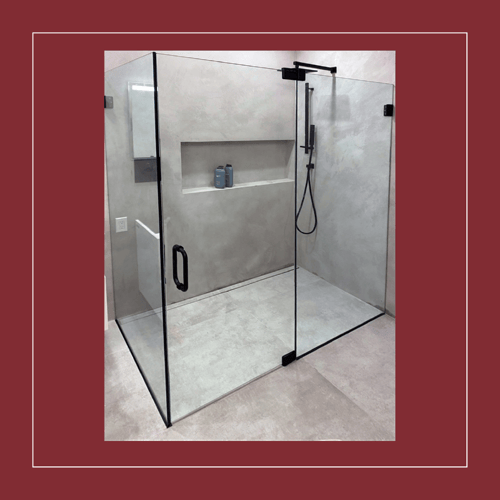
Before choosing among different shower door glass types, it helps to ask:
- How much privacy do I want?
- Do I prefer a more open look or a softer, more private one?
- How much maintenance am I comfortable with?
- Will water spots bother me in this bathroom?
- Is a specialty glass option worth the added cost?
- What enclosure style makes the most sense for my space?
Get a Custom Shower Door Consultation
A consultation can help you compare glass choices, privacy levels, enclosure styles, and maintenance expectations before ordering your shower door.
Request a custom shower door consultation to get expert guidance on the best fit for your bathroom project.